
KoraCommand for rehabilitation & hospitals
Discharge day is when the papers scatter. The record should not.
KoraCommand is the platform your facility offers its families, free for every family: the discharge packet, the training and the follow-ups in one private record the family keeps long after the folder is lost.
First pilot organization signed up — Racheal Diabetes Amputees Foundation, Uganda, November 2026.
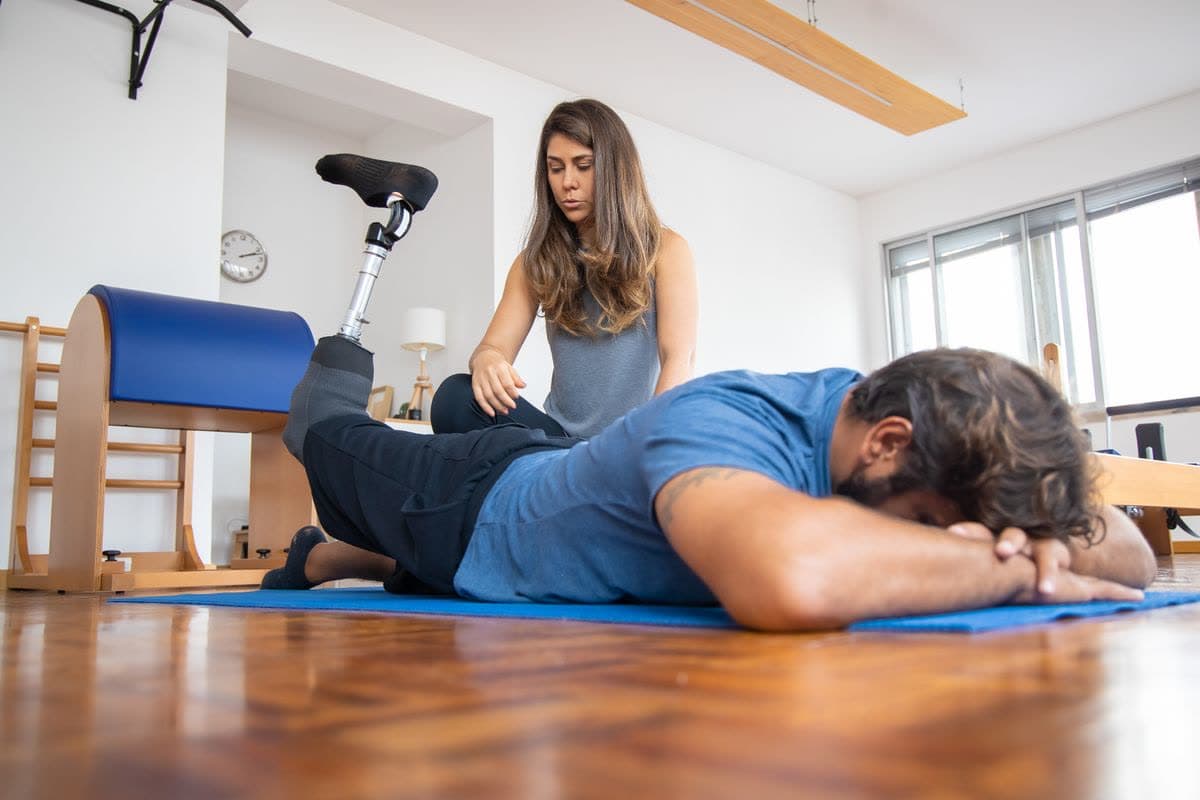
Everything was explained. Then the family went home with a folder.
Your team does the teaching well: the transfers, the wound care, the home program, the precautions. Then the patient goes home with a folder of photocopies, and the folder is on the kitchen table, then in a drawer, then lost. The instruction that was demonstrated on Tuesday is half-remembered by Friday, and the follow-up appointment named in the packet is never booked.
The first days at home are where your outcomes are decided, and they are the days your team cannot see. What the family does there runs on whatever survived the trip home.
The packet, the training and the follow-ups, in one record
The packet, photographed once, filed for good
At discharge the family photographs the packet into one dated file in their own record: the instructions, the medicine list, the equipment notes. It is findable with one search word, by anyone in the family's circle, for as long as they are caring.
Questions reach your team in writing, not by phone
When the record does not answer a question, the family asks it from inside the record instead of calling the floor. The question arrives in your console's queue; your team answers in writing, once, and the answer lands back in the family's plan, where the whole circle reads it.
Follow-ups tracked until they are booked
The therapy and clinic visits named in the packet become tracked items, surfaced in the family's morning brief until they are booked. Your console counts follow-ups booked, packets filed and questions answered: proof the follow-through is happening, and the whole of what your team sees. There is no way to open a family's record from the console, by design.
The teaching, documented
The caregiver is designated and named in the record, and the instruction they received is documented: what was taught, and the caregiver's confirmation that they could explain it back. If anyone ever asks what was taught, the answer exists.
Whose record it is
The record belongs to the family, not to the organization
This is the part no back-office tool can offer, because their record belongs to the agency. Here, every family starts with an empty record and is set up personally, and the record stays the family's: your organization never sees inside it, and works from counts only. Health information stays inside the family's own private circle, it is never sold, and the family can export or delete everything at any time. When your staff changes, the family's record does not change hands. It stays whole, with the family.
How a pilot runs
90 days, one measure, one review
90 days, 5 to 8 families
A small first group of families your team chooses, and ninety days. There is no charge for the pilot; terms are set at the day-90 review, not before.
One success measure, agreed with you
Before the first family enrolls, we agree on the single number the pilot will be judged by, drawn from what the console counts. If the number is met at the review, the pilot extends to your next program or setting.
Start with the families who need it most.
Your organization signs itself up, your enrollment page carries your organization's name, and we set each family up personally from there.