
KoraCommand for organizations
One record for every family you serve, and a working line back to your team
The places care changes hands are where the paperwork of care gets lost. KoraCommand is the platform your organization offers its families, free for every family: the caregiver named, the teaching documented, the packet filed, and the follow-through at home tracked until it happens. Discharge is where it starts, not where it ends: the record serves the family through every visit and change that follows, for as long as they are caring. And it is a two-way line, not a report: when a family has a question at home, they ask it inside their record, your team answers from your console, and the answer lands back in the family's plan. Your enrollment page carries your organization's name.
Looking for the offer in brief? The offer in brief · For staff, how it works for care teams
First pilot organization signed up — Racheal Diabetes Amputees Foundation, Uganda, November 2026.
Start from your setting
Home care agencies
What happened at the visit should not take three phone calls to find.
Hospices
The family far away should be able to find the plan.
Rehabilitation & hospitals
Discharge day is when the papers scatter. The record should not.
Caregiver nonprofits & foundations
Your families keep their care in shoeboxes. Give them a record instead.
Hospitals
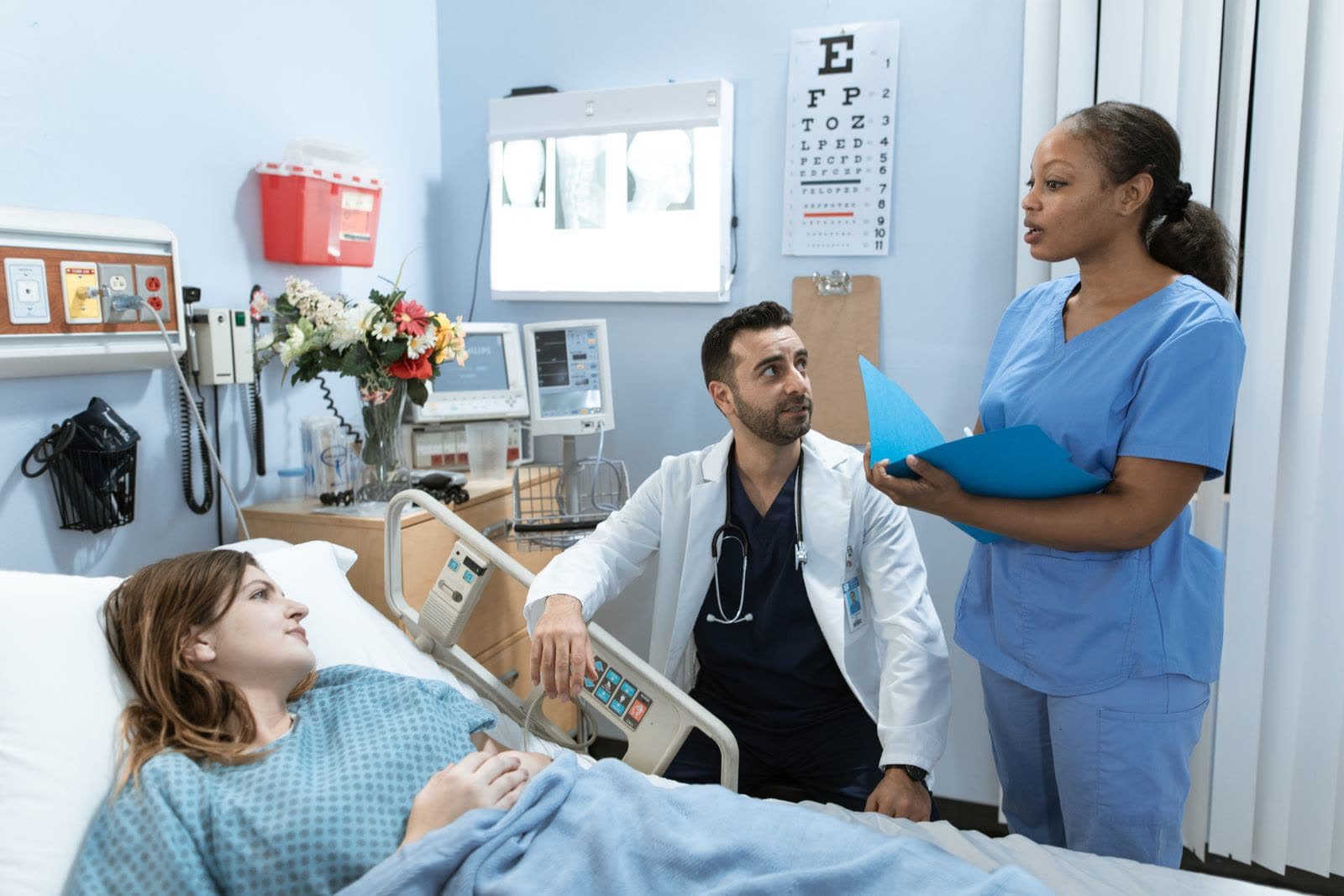
Your discharge is graded, paid and penalized on what the family does in the first days at home. That is the part of the journey your team cannot see. KoraCommand makes it visible, and finishable.
CARE Act duties, produced as artifacts
Illinois's Emergency Contact and Caregiver Advise, Record, and Enable Act (210 ILCS 91, renamed by P.A. 104-46, effective January 1, 2026) requires a hospital to let the patient designate a caregiver, record that designation, notify the caregiver of the discharge, and instruct them in the aftercare tasks. The Discharge bundle makes that record at the bedside: a Designated Caregiver Card and a Caregiver Instruction Receipt your team can print and file.
The stakes are published numbers
Readmission penalties run to 3% of all Medicare inpatient payments under the Hospital Readmissions Reduction Program, more than $500 million a year (CMS). Discharge and care-transition scores sit inside the quarter of the Value-Based Purchasing score that grades person and community engagement, and the modernized survey asks whether staff involved the family (CMS). Medicare's Transitional Care Management codes pay roughly $200 to $270 per eligible patient only when contact lands within 2 business days of discharge (CMS), and a family working from one filed plan is a family your team can reach in that window.
Language access that outlasts the encounter
Your interpreters cover the discharge conversation. KoraCommand covers the mornings after, and every month after that: the brief, the debrief and the plan in the family's preferred language, pinned at enrollment, across 35 languages, for as long as the family is caring. It does not replace your language-access duties at the encounter, and it never claims to.
Nursing homes and skilled nursing
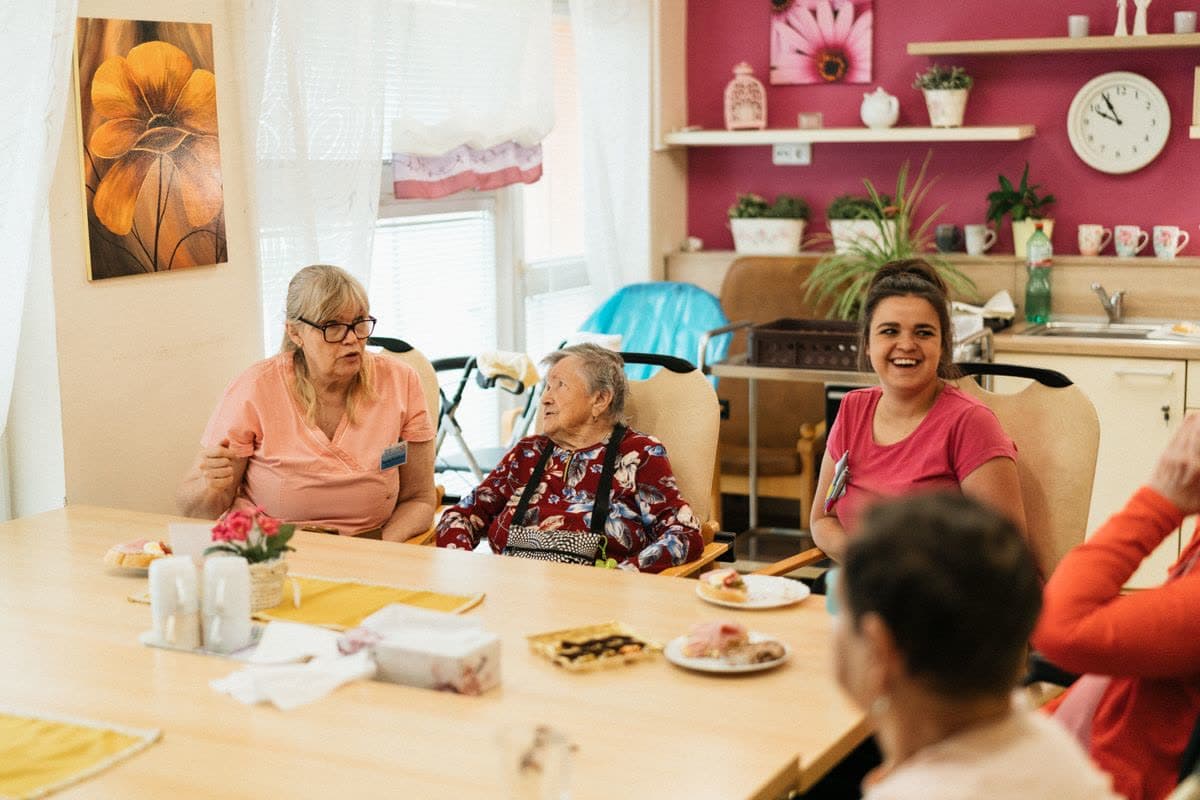
Your staff's scarcest resource is attention, and the floor's phone spends it on questions a written record could answer. Give the family the record, and the calls that remain are about care.
Family communication, off the floor's phone
Most family questions are findable facts: what changed, what the meeting decided, when the next one is. When the plan lives in the family's circle, the daughter in another state reads the same record your staff wrote, at midnight, without waking the floor. And when the record does not answer it, the family sends the question from inside their record; your team answers it from your console, in writing, and the answer lands back in the family's plan. A family that can find the plan, and reach your team through it, asks a question before it becomes a grievance.
Care conferences the family can actually join
Federal rules expect care planning and discharge planning with the resident's representative (42 CFR 483.21, CMS). The family reads the same written record before and after the conference, so the meeting starts from the plan, not from memory, and its decisions are not relitigated by phone.
Going home is a discharge too
When a resident goes home, the same bundle runs: the caregiver designated, the instruction receipt signed off, the discharge packet photographed into one dated file, and the follow-ups tracked until they are booked.
Readmission performance is money
Under the Skilled Nursing Facility Value-Based Purchasing program, CMS withholds 2% of a facility's Medicare payments against readmission performance. The first days at home are where that performance is decided, and the family is who decides it.
Rehab and therapy centers
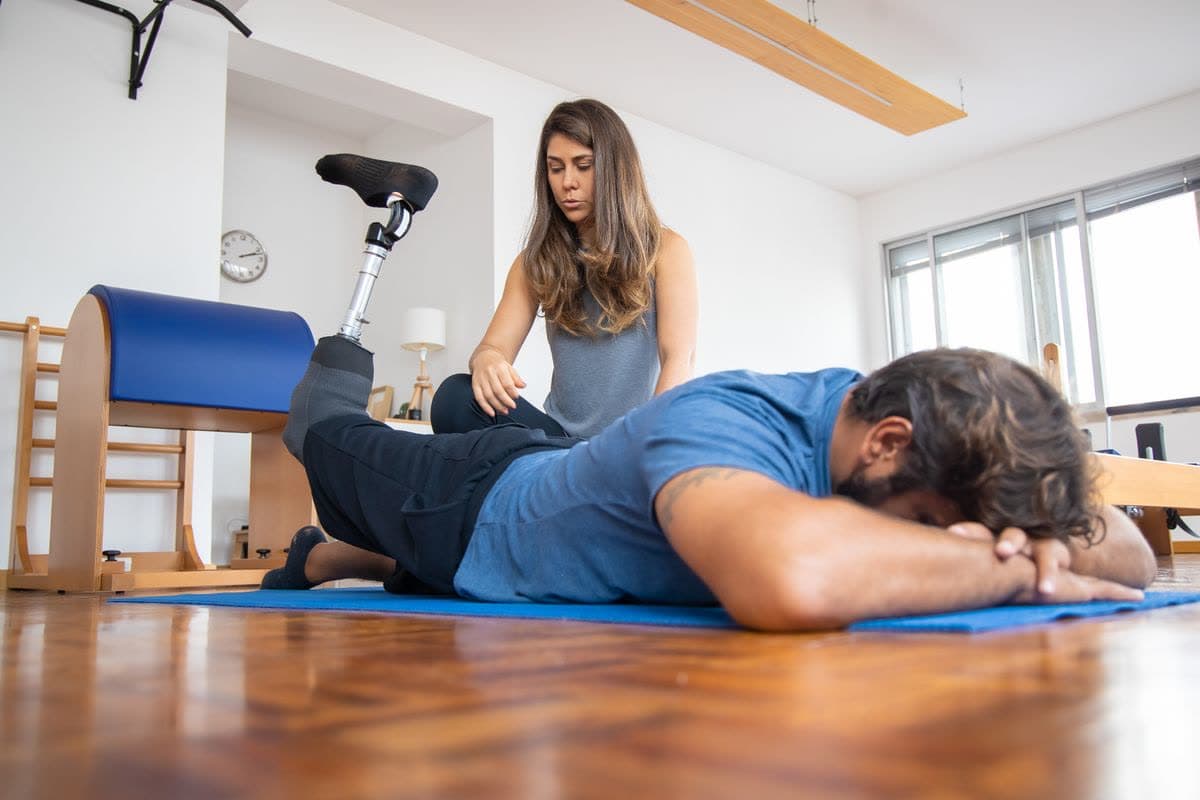
Rehab is the one setting where the family is part of the treatment plan. Your therapists train them; KoraCommand is where that training lives after everyone goes home.
Training, documented
The Caregiver Instruction Receipt records what was taught (transfers, wound care, mobility practice), who taught it and when, and the caregiver confirms they received the instruction and could explain it back. If anyone ever asks what was taught, the answer exists.
Home practice that survives the trip home
The home program, the precautions and the equipment notes live in the family's plan, in their own language, instead of on a photocopied sheet that is lost by Friday. The morning brief puts the day's practice in front of the whole circle.
Follow-through after discharge
Follow-up therapy and clinic visits named in the packet become tracked items, surfaced daily until they are booked. The notes and letters the family receives are photographed once and filed where everyone can find them.
Patient and family advisory councils
Start with the people who have been the family
Your advisory council is the one room in the building where former patients and family caregivers advise your leadership, on the record, about what care feels like from the family's side. They have lived the folder of papers at discharge. KoraCommand offers your council a short listening session, and asks for its judgement before it asks for anything else.
A listening session, not a sales presentation
About twenty minutes inside a regular council meeting. We bring one artifact, the Caregiver Instruction Receipt: the written record of the teaching a family receives before they go home. Then we ask the council a single question: does this match what you wish you had been handed?
Judged by families first
A council does not buy software, and that is the point. If the people your organization already trusts to speak for families say this would have helped them, their recommendation reaches leadership as a family's judgement, not a vendor's pitch.
What the council is asked to consider
One thing only: that families leaving your building be offered KoraCommand, free for every family, through an enrollment page that carries your organization's name. Nothing changes in your systems, and there is nothing for the council to sell. If the council finds gaps, we hear them from the people who lived them, and the platform changes before any family is offered it.
Your console
A working channel, not a black box
Your team does not get a dashboard of other people's records. It gets a working line to the families you serve, and proof the follow-through is happening, while every family's record stays theirs.
Questions, answered from your console
A family asks a question from inside their own record, in their own language. It arrives in your console's queue, waiting questions first. A person on your team answers in writing, and the answer lands back in the family's hub, where the whole circle can read it. The question is the one thing a family chooses to send you; the record behind it never leaves their circle.
Follow-through, counted
The console counts what your team is accountable for: families enrolled, caregiver cards completed, instruction receipts filed, discharge packets filed, follow-ups booked, questions waiting and answered. Discharge packets and instruction receipts are tracked as counts, never opened by your team.
Counts are the privacy guarantee
Counts stay hidden until five families are enrolled, so no count can point at one family. There is no family list in the console and no way to open a family's record from it. That is not a missing feature; it is why families trust the record enough to keep it current. And the record belongs to the family, not to a staff roster: when your team changes, the family's record does not change hands. It stays whole, in the family's circle.
A report your leadership can read
A monthly report you can print, and the trend across six months: enrollment, follow-ups, questions answered. The shape of the work, without a single family's information in it.
How a pilot runs
A pilot with a shape, and an end date
A pilot here is not open-ended. It is a bounded proof, run on one unit, one floor or one program, with the measure agreed before the first family enrolls.
90 days, 5 to 8 families
One setting, a small first group of families your team chooses, and ninety days. Small enough to run alongside the work; long enough for the follow-through, not just the discharge, to show.
One success measure, agreed with you
Before anything starts, we agree on the single number the pilot will be judged by, drawn from what the console counts: follow-ups booked, questions answered, packets filed. One measure, named in advance, not a dashboard of maybes. We also agree what meeting it earns: if the number is met at the day-90 review, the pilot extends to your next program or setting.
Your review comes first
Your security and compliance review happens up front, before a single family enrolls: our documentation and practices are available on request, and the section below answers the questions your review team will ask.
A formal review on day 90
On day 90 we sit down with the measure and the counts, and decide together whether it earned more. Terms are set at that review, not before. What proves itself in one setting extends to the next, then organization-wide, at your pace.
For IT and compliance
The security posture, in plain words
What your review team will ask, answered the way our security page answers it: what is true in the product today, with nothing claimed that is not.
Encrypted in transit, protected at rest
Traffic is HTTPS only, with strict transport security. Passwords are stored only as salted hashes, and patient-portal tokens are encrypted on our servers (AES-256-GCM). Records live on access-controlled servers in the United States and are backed up daily.
Isolation, tested after every deploy
Every family's record sits in its own private circle, visible only to the people that family invites. The isolation between accounts is exercised by an automated check after every deploy that touches sign-in, sessions or care data.
Recording is consent-based
A visit is recorded only when the doctor says yes out loud first. The audio is deleted once the written summary exists; what the family keeps is the summary.
The record stays the family's
Health information stays inside the family's circle. It is never sold, and the family can export or delete everything at any time.
Nothing to integrate to start
KoraCommand runs on the family's own phone. Your team is not asked to connect a system, and KoraCommand does not write into your record system.
What we do not claim
No certification badges and no audit reports we have not earned. If your review needs more than this page and the security page, ask, and we will walk your team through the rest.
Our security documentation and practices are available on request, and agreement terms are discussed during onboarding.
The full posture, including what is not done yet: read the security page.
Start with one unit, one floor, one program.
A short conversation is the whole sales process: what your families struggle with, and whether KoraCommand is the right shape for them. No pitch deck, no numbers in an email.
Start for your organization Talk to us first
The offer in brief · How it works for care teams · Advisory councils · Security